
Moving can be both an exciting yet overwhelming experience, whether you are moving across town or embarking on a faraway journey to a new city. The process involves thorough organization, logistics, and the appropriate support to make sure all aspects goes seamlessly. In this guide, we will look into the different moving services available for both local and long-distance moves, assisting you find the best options for your specific needs.
Grasping the distinctions between short-distance and long-distance moving is essential. Local moves typically involve moving within the same city or a short distance, making them typically faster and often easier. On the other hand, long-distance moves require more extensive planning and coordination, as they may involve moving your belongings across state lines or even to faraway regions. This guide will provide useful insights into choosing the right movers, preparing for residential moves, and maximizing your moving experience.
Types of Moving Services
When it comes to moving, understanding the different types of moving services available can make a significant impact on your experience. Local moving companies are designed for clients moving inside a city or to adjacent areas. Such services often offer flexible scheduling options and either full-service packing or help with loading and unloading. Local movers know the area well, which can expedite the moving process and reduce any potential obstacles, such as traffic or road restrictions.
In contrast, long-distance moving services are intended for moves that involve greater distances, often going across state lines. This type of move entail more intricate logistics, including possible storage requirements and tighter regulations regarding transport. Long distance movers tend to provide comprehensive services that include packing, loading, transportation, and unloading, ensuring that your belongings arrive safely at your new destination. It is crucial to communicate clearly with long-distance services about your specific requirements and timing to facilitate a smooth move.
Additionally, residential relocations include various moving services tailored to accommodate households of different sizes. Whether you’re moving a small apartment or a larger family home, residential moving services are customized to meet clients’ diverse needs. Such services could include specific packing for delicate items, furniture disassembly and reassembly, along with extra help such as packing materials. Choosing the appropriate residential moving service allows customers can streamline their moving experience while minimizing the stress associated with the process.
Selecting the Best Moving Service
As you selecting a moving service, it’s important to evaluate your specific needs, whether you are organizing a nearby move or a far relocation. Start by looking into various moving services in your area and reading reviews from previous customers to gauge their reliability and professionalism. Look for movers who have expertise with residential moves or residential moves, as this can impact how easily your move happens.
Budget is another key factor while choosing your moving service. Be certain to request quotes from multiple companies to compare pricing and services offered. Remember that the least expensive option may not invariably be the right choice, so factor in elements such as insurance, expertise, and support when making your selection. A detailed estimate can assist you comprehend what you are getting and prevent unexpected costs on moving day.
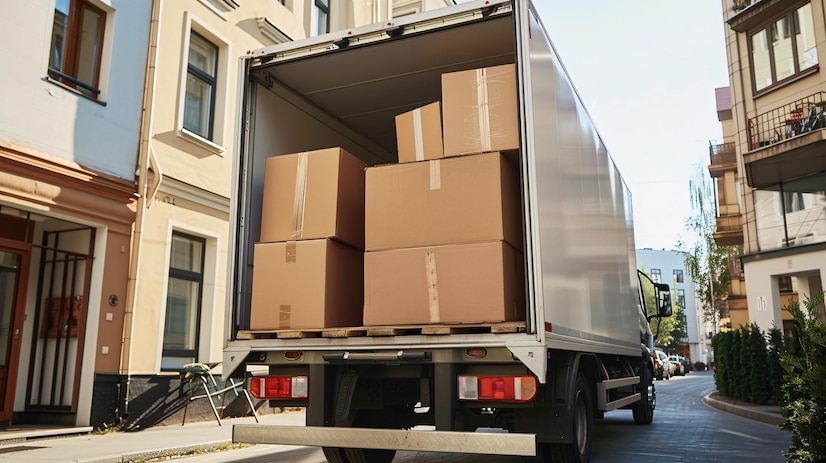
In conclusion, check the certifications of the movers you are thinking about. Make sure that they are certified and covered, which is particularly important for long-distance moving. Out & In Moving LLC protects you in case of any issues during the move. Inquiring about their experience with your type of move, whether it’s local or long-distance, can also provide insight into their capabilities and assist you feel more secure in your selection.
Tips for a Seamless Move
To secure a seamless transition during your move, start by preparing a thorough moving checklist. This list should feature crucial tasks such as booking movers, obtaining packing supplies, and informing important parties about your change of address. By organizing your responsibilities, you can handle your time effectively and minimize last-minute surprises. Remember to organize through your belongings and decide what to keep, contribute, or throw away, making the packing process much more manageable.
When packing, consider labeling each box obviously with its contents and the room it is designated for. This will make unpacking at your new residence much quicker and more effective. Additionally, pack a separate essentials box with items you’ll need as soon as possible upon arrival, such as toiletries, a change of clothes, and important documents. By being thoughtful about your packing strategy, you’ll not only save time but also minimize stress during the moving process.
Finally, interaction with your movers is essential to a pleasant experience. Verify details such as the moving date, arrival times, and any specific instructions well in advance. If you’re moving long distances, keep in touch with the movers for up-to-date updates. A clear line of communication helps address any issues that may arise and ensures that everyone is on the equal page, making your local or long-distance move less disorganized and more organized.